
A Project Management System is not just a tool for managers — it’s a shared workspace that helps everyone work with clarity, structure, and confidence. From small teams to growing businesses, the right system removes chaos and replaces it with visibility, accountability, and control.
Below are the core capabilities every effective project management system should deliver — explained in a clear, user-focused way.

Scalability & Flexibility
Your business doesn’t stay the same — and your system shouldn’t force it to.
A scalable and flexible project management system allows you to:
-
Start small and expand without rebuilding everything
-
Add new projects, users, or workflows easily
-
Adapt to different project types and team structures
For users, this means:
-
The system grows naturally with their responsibilities
-
No sudden changes or disruptions as the company scales
Flexibility ensures the system works with the business, not against it.
Centralized Project Control
When information is spread across emails, messages, and spreadsheets, things get lost.
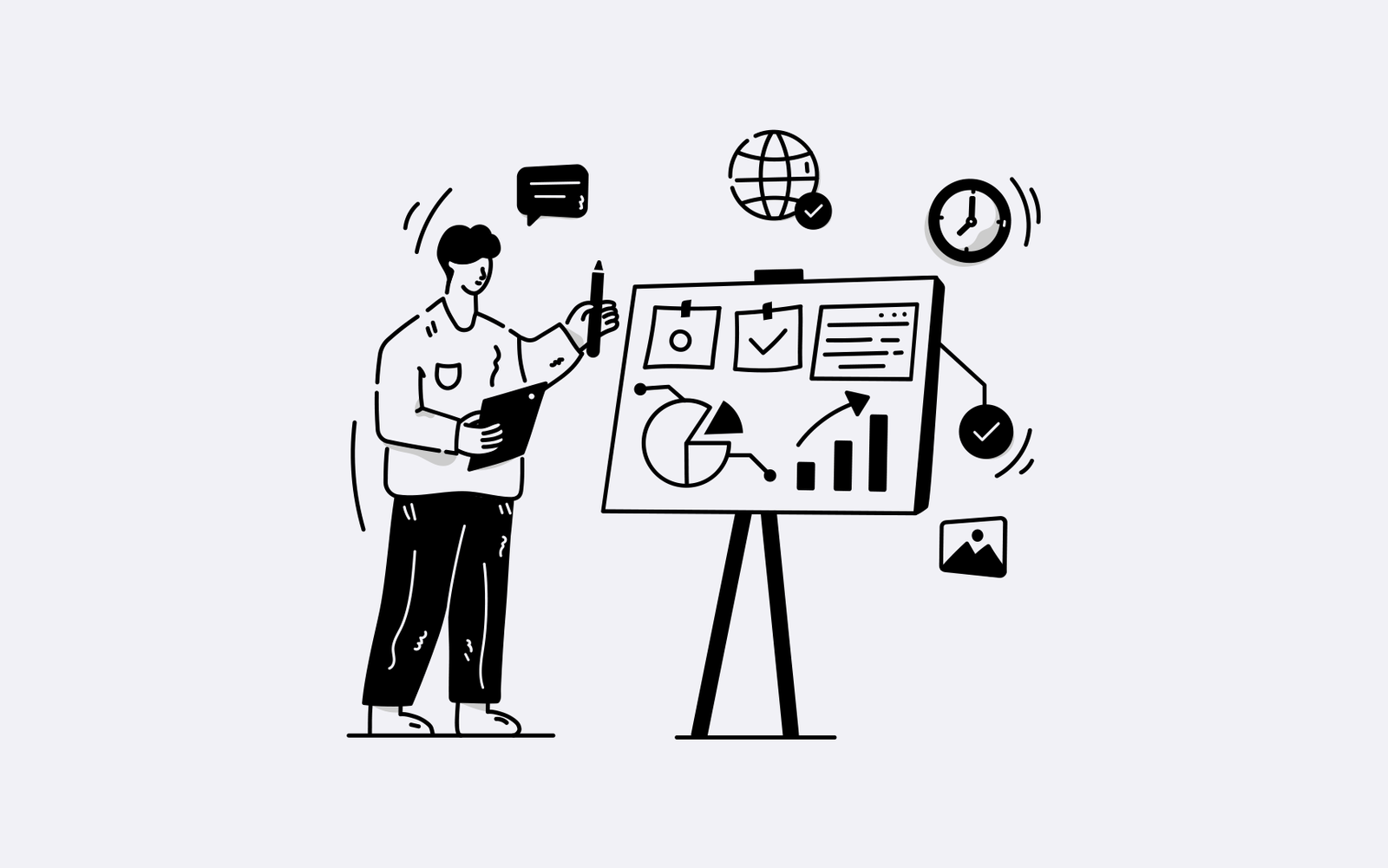
Centralized project control means:
-
All projects live in one system
-
Tasks, timelines, documents, and updates are easy to find
-
Everyone sees the same, up-to-date information
For users, this removes:
-
Confusion about project status
-
Duplicate work
-
Constant back-and-forth communication
One system. One source of truth.
Shift & Time Tracking
Time is one of the most valuable — and most misunderstood — resources in any project.
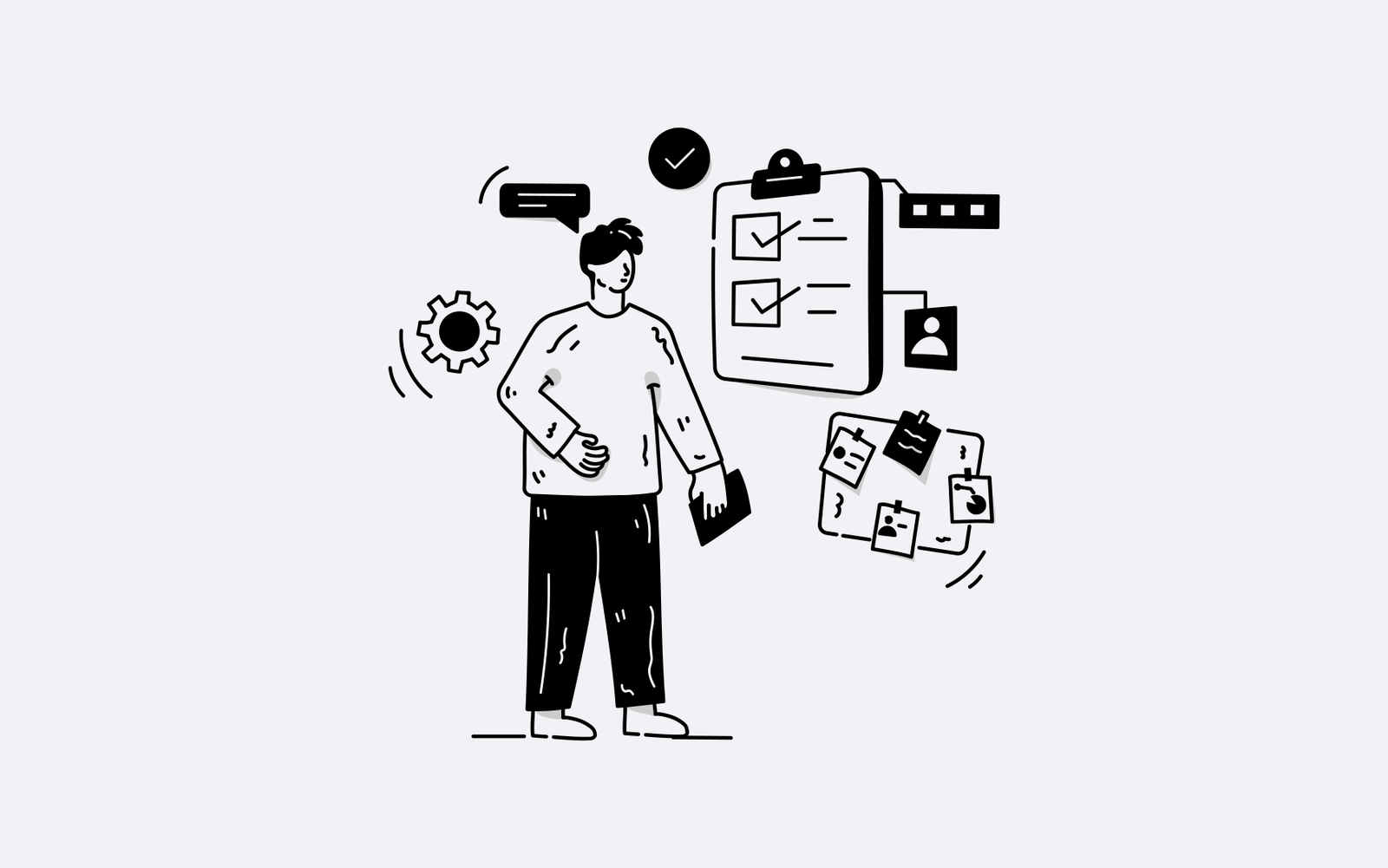
A built-in shift and time tracking system helps users:
-
Log working hours accurately
-
Track shifts, attendance, and availability
-
Understand where time is actually being spent
For teams and managers, this leads to:
-
Fair workload distribution
-
Accurate payroll or invoicing
-
Better project planning
Time tracking isn’t about control — it’s about transparency and balance.
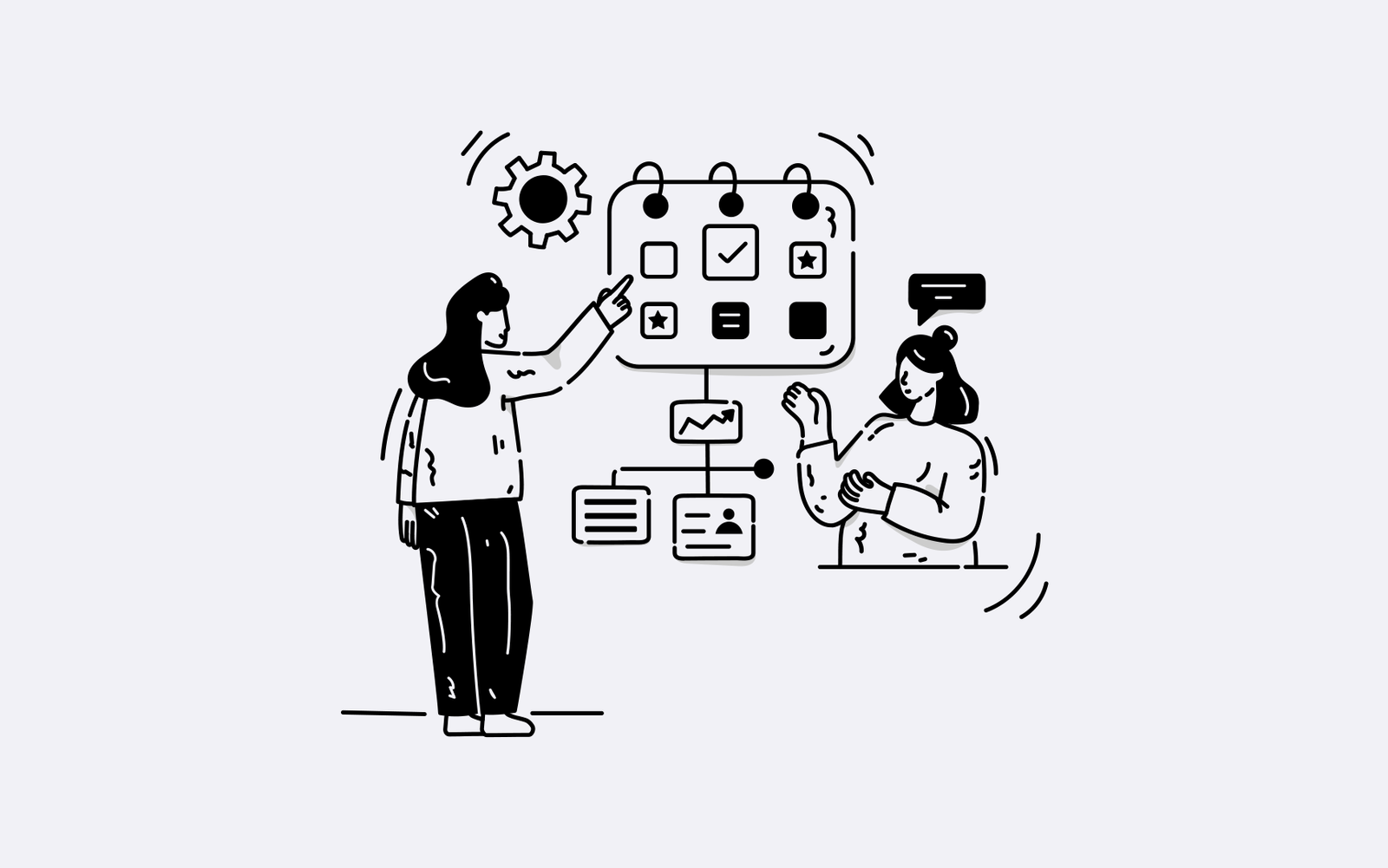
Improved Collaboration
Good collaboration doesn’t happen by accident — it needs structure.
A project management system improves collaboration by:
-
Keeping conversations tied to specific tasks or projects
-
Making responsibilities clear
-
Reducing scattered communication across multiple platforms
For users, this means:
-
Fewer misunderstandings
-
Clear ownership of tasks
-
Smoother teamwork
Everyone knows what they’re responsible for — and who to collaborate with.
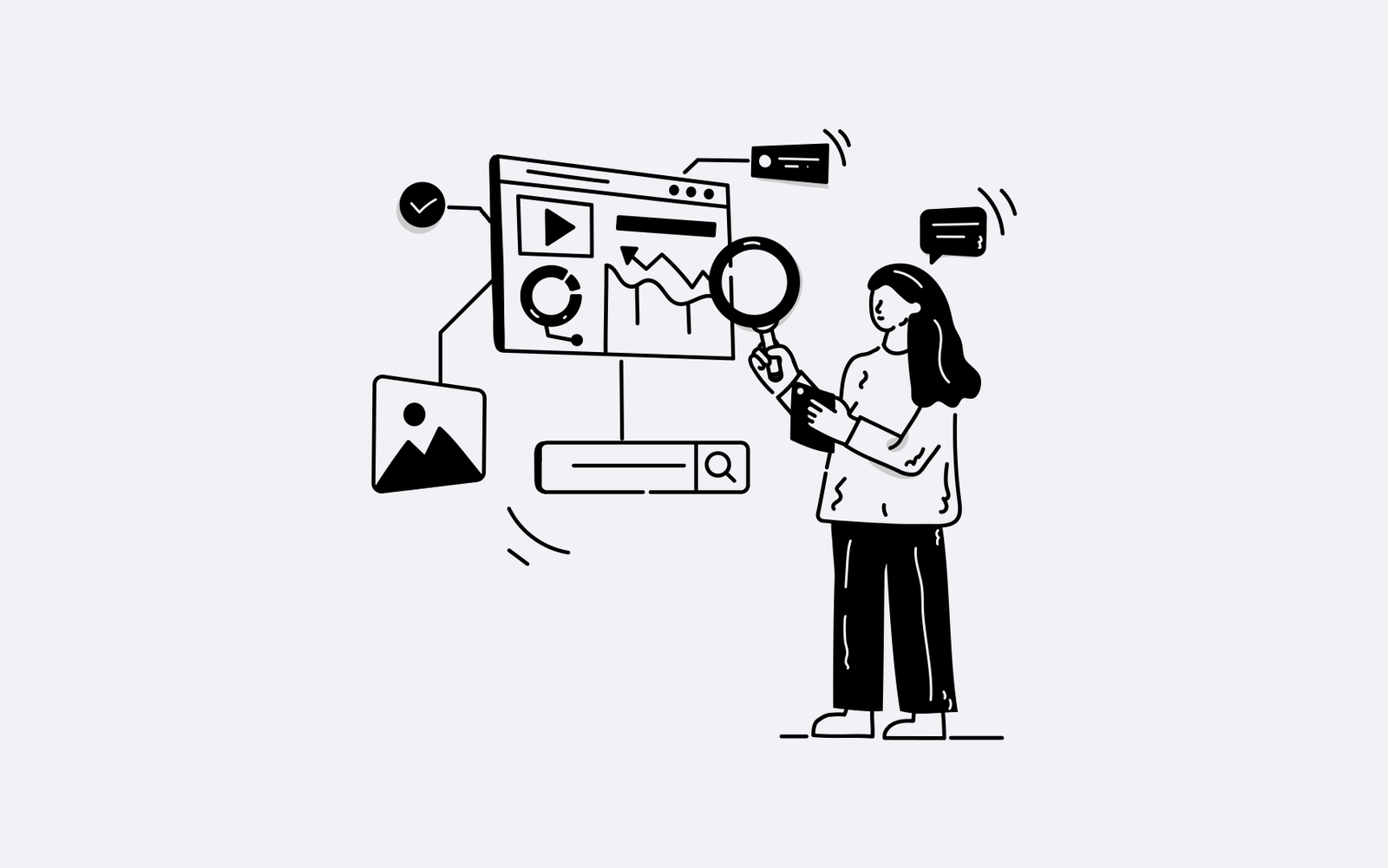
Data-Driven Insights
Decisions shouldn’t rely on guesswork.
With proper reporting and analytics, a project management system provides:
-
Clear progress tracking
-
Performance trends over time
-
Insights into delays, bottlenecks, and efficiency
For users and decision-makers, this enables:
-
Smarter planning
-
Better prioritization
-
Continuous improvement
Data turns experience into insight.
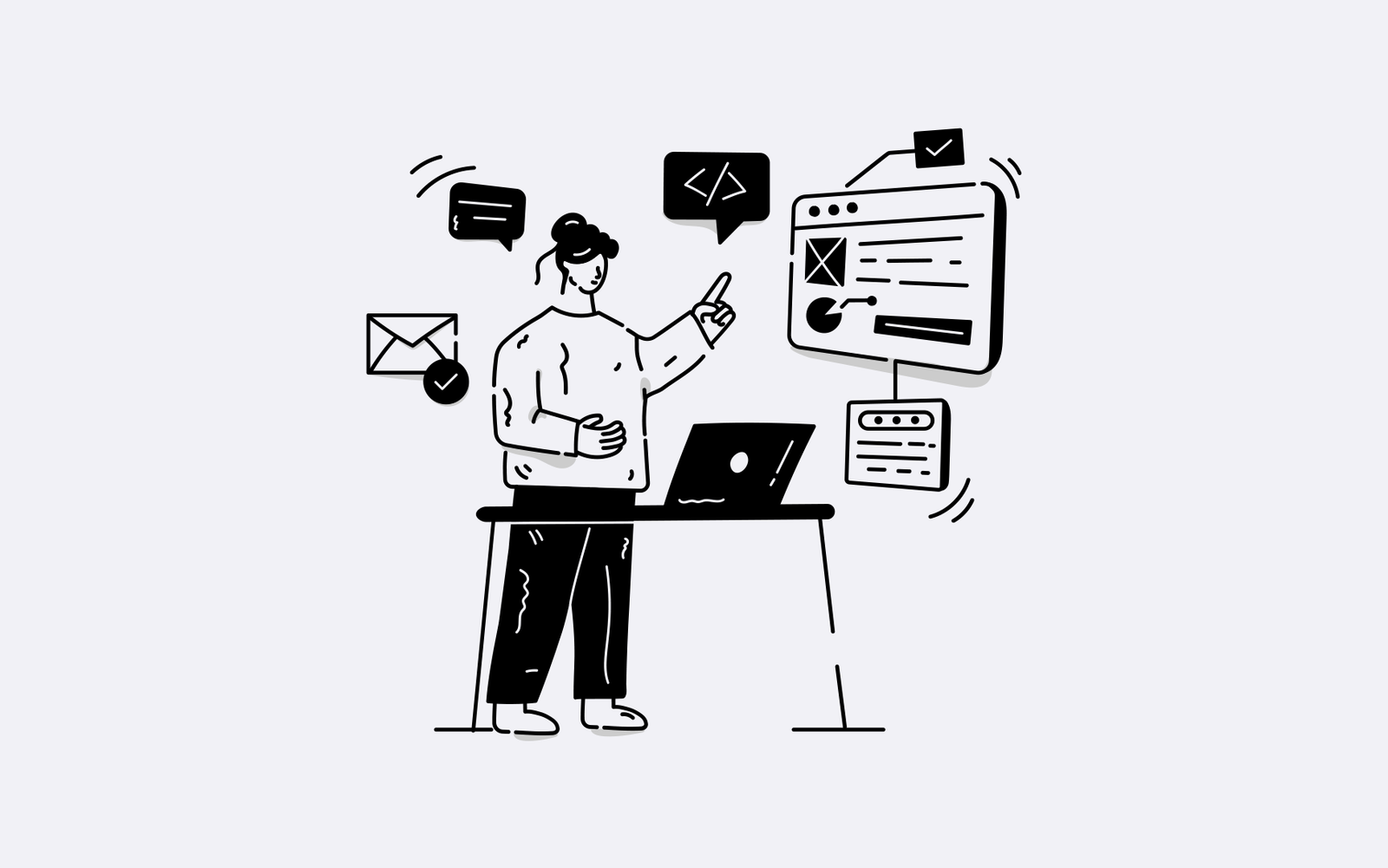
Secure Record Management
Projects generate sensitive information — and it must be protected.
Secure record management ensures:
-
Controlled access based on roles
-
Safe storage of documents and project data
-
Reliable history and audit trails
For users, this builds trust:
-
Information is protected
-
Changes are traceable
-
Nothing disappears unexpectedly
Security isn’t just a technical feature — it’s peace of mind.
Final Thought
A project management system isn’t about adding complexity. It’s about removing friction.
When designed correctly, it helps users:
-
Focus on their work
-
Collaborate with confidence
-
Make better decisions
The best systems don’t feel heavy or restrictive — they quietly support progress, every day.